


The Belgian antique expert Paul De Grande is probably one of the best-known figures in Flanders, primarily due to his overwhelming presence on television. Not a week – or even a day – goes by without the mischievous, bespectacled figure appearing on screen, particularly in the popular Stukken van Mensen, a broadcast with an untranslatable title in which people show up in the studio with an object they are offering for sale to six antique dealers. De Grande, who bears a strong resemblance to Belgium’s Prince Laurent, invariably steals the show and gets away with murder, but such eminence has been hard-earned. Paul is the quintessential self-made man who worked his way up to the top; early in his career, he managed to buy a castle near Bruges, fill it with antiques and attract an international clientele.
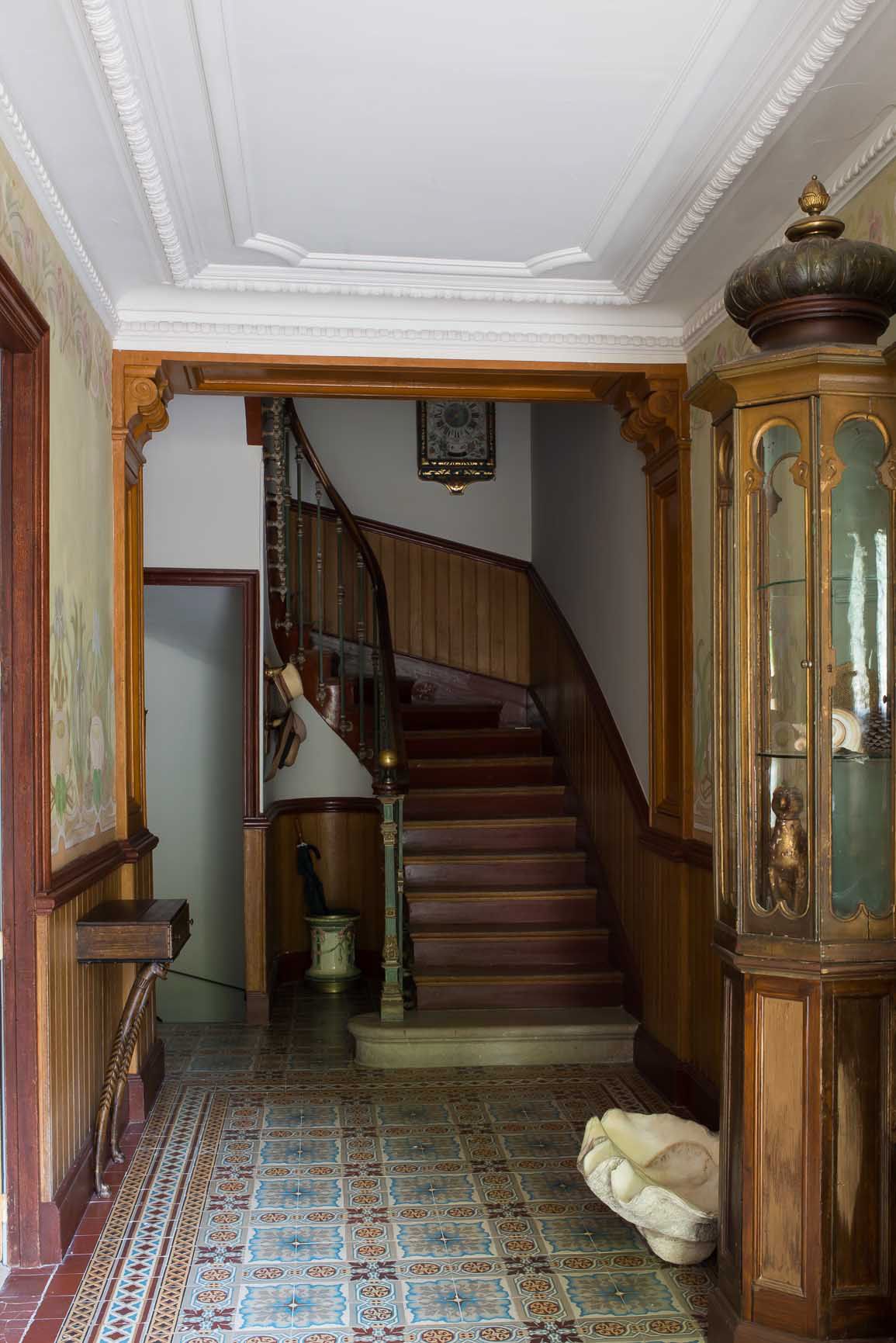
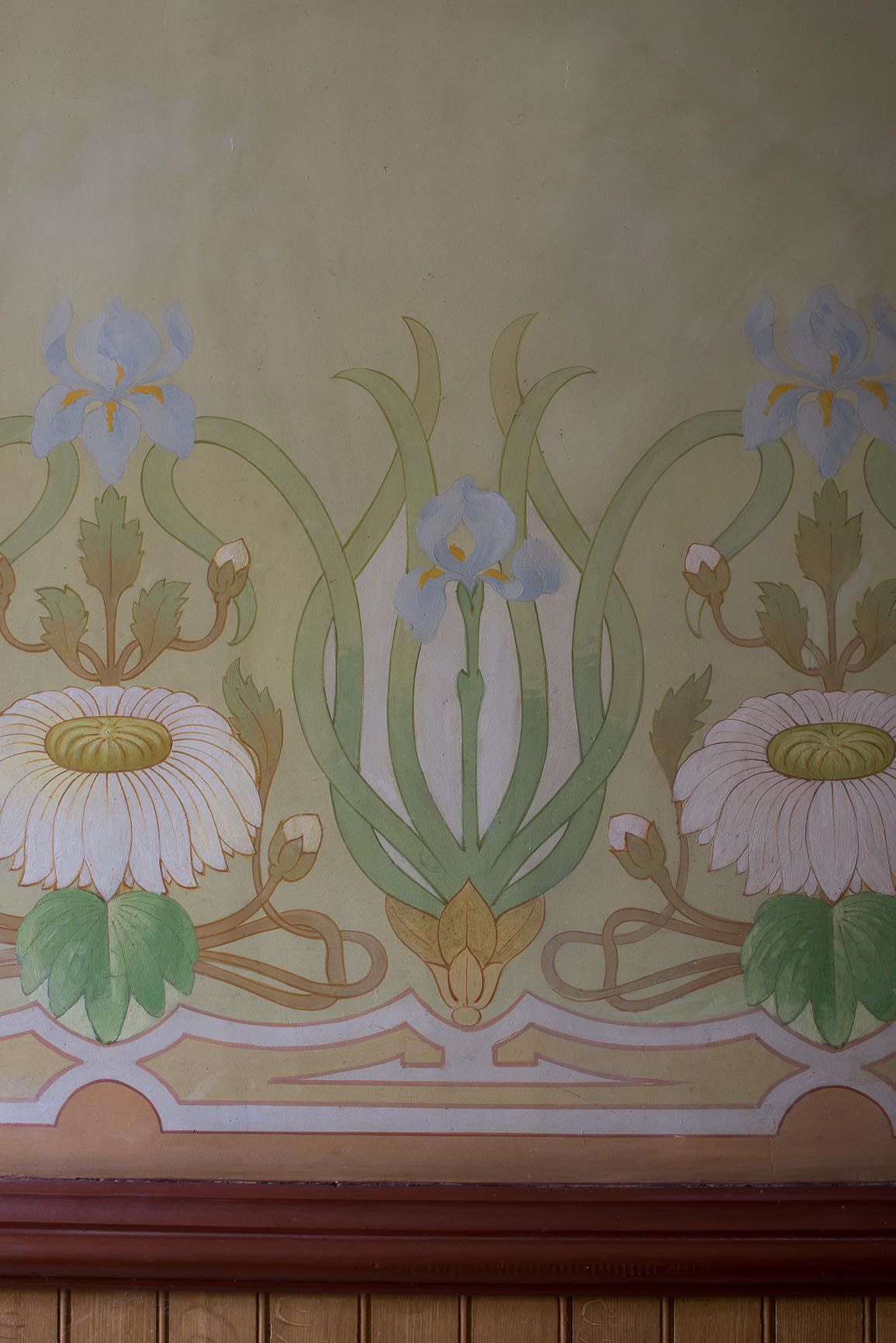
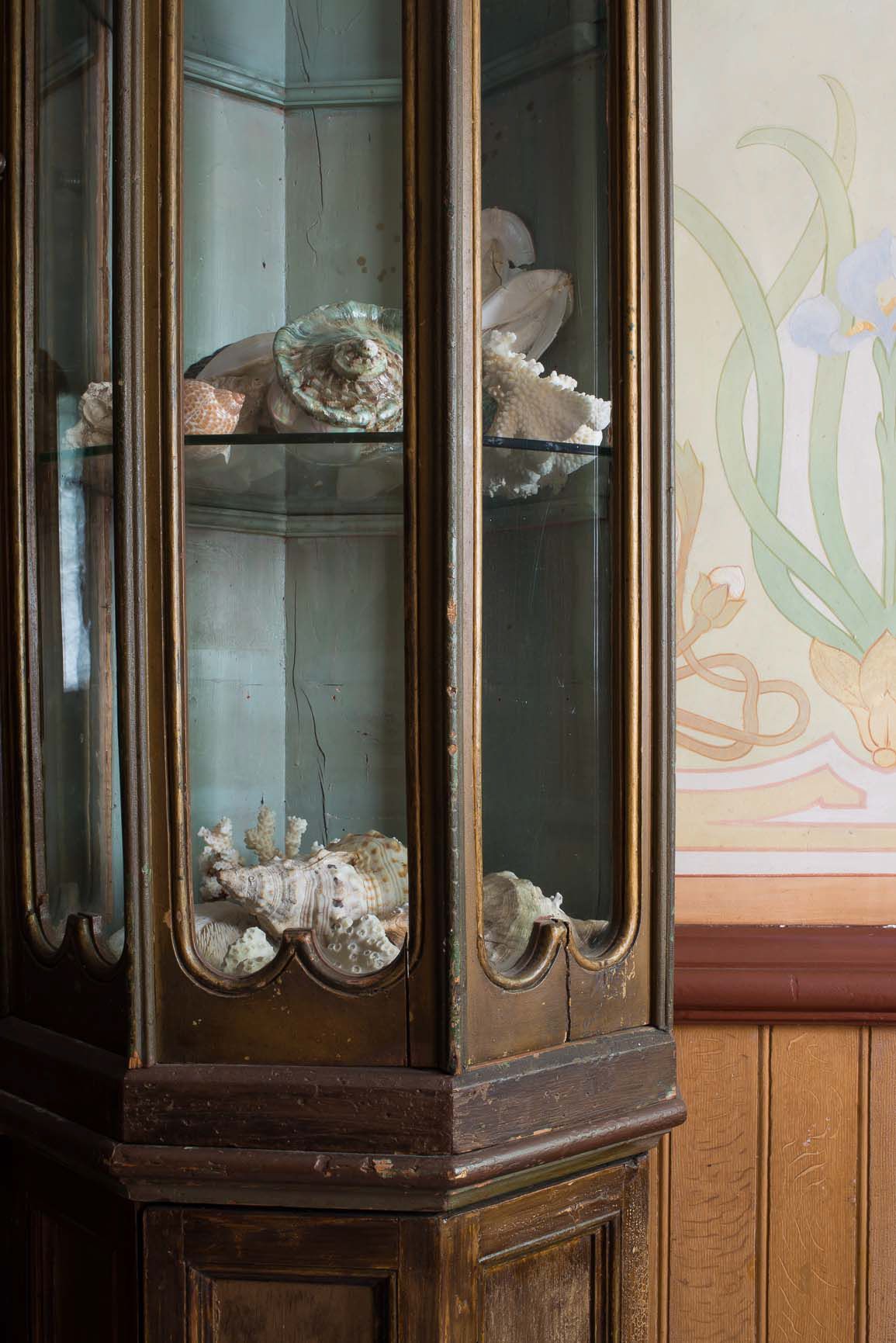
In 1986, my husband René and I travelled to De Grande’s Castle of Snellegem in Jabbeke, accompanied by our friend and colleague, the late John Vaughan, to photograph the place for The World of Interiors. We were startled when we found ourselves face to face with the recently renovated attic, where no antiques were to be seen; rather, several ‘Torso’ armchairs by Paolo Deganello were prominently arranged in a minimalist space.
It is typical of De Grande to surprise the spectator with an unexpected twist. That is exactly what happened a few years ago when he sold his castle and took up residence in Memling House, an elegant, Neoclassical mansion in the heart of Bruges. We have known him for almost half a century, but he still managed to surprise us with the news that he had also bought a house in the South of France and that he was almost finished with the renovation.
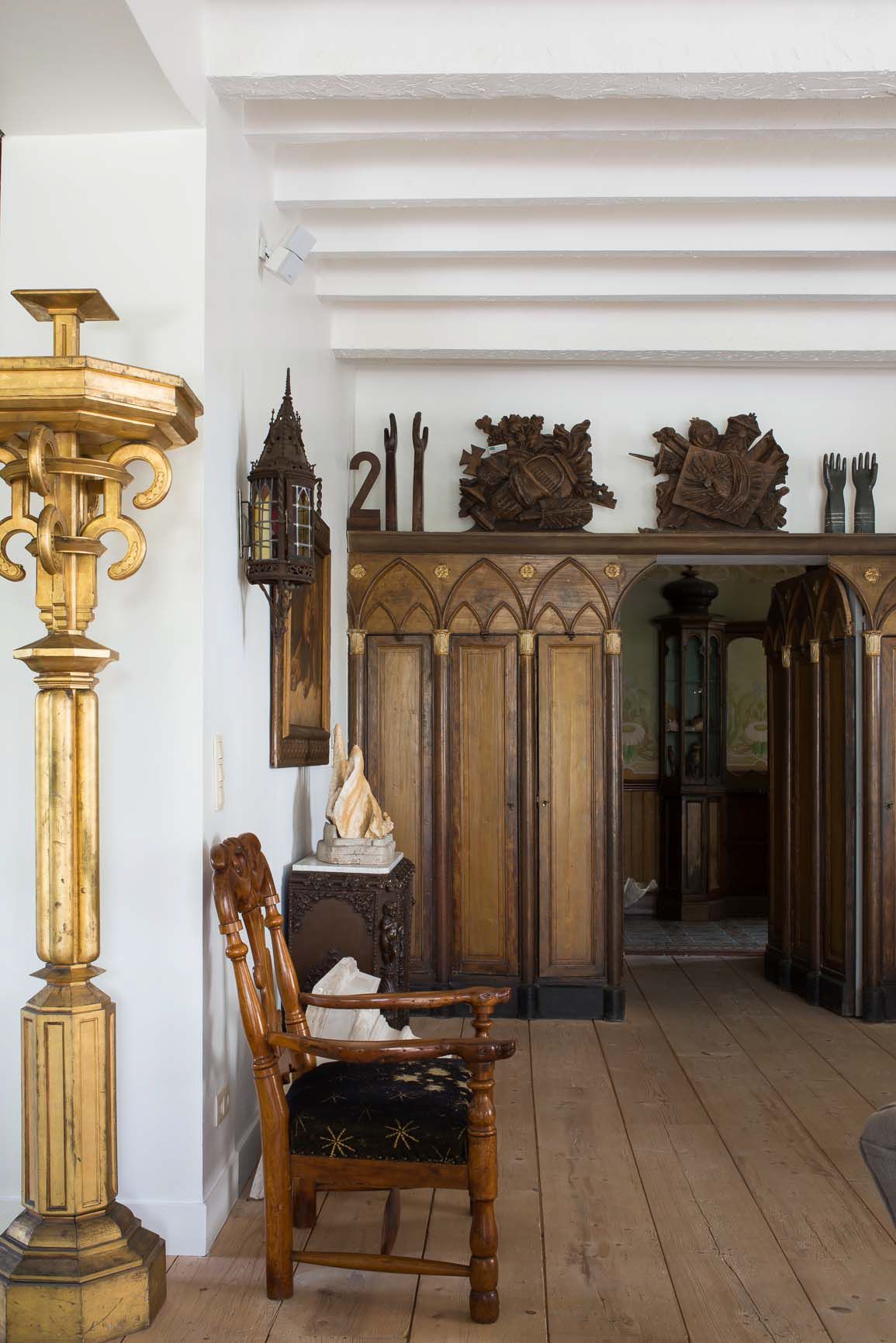
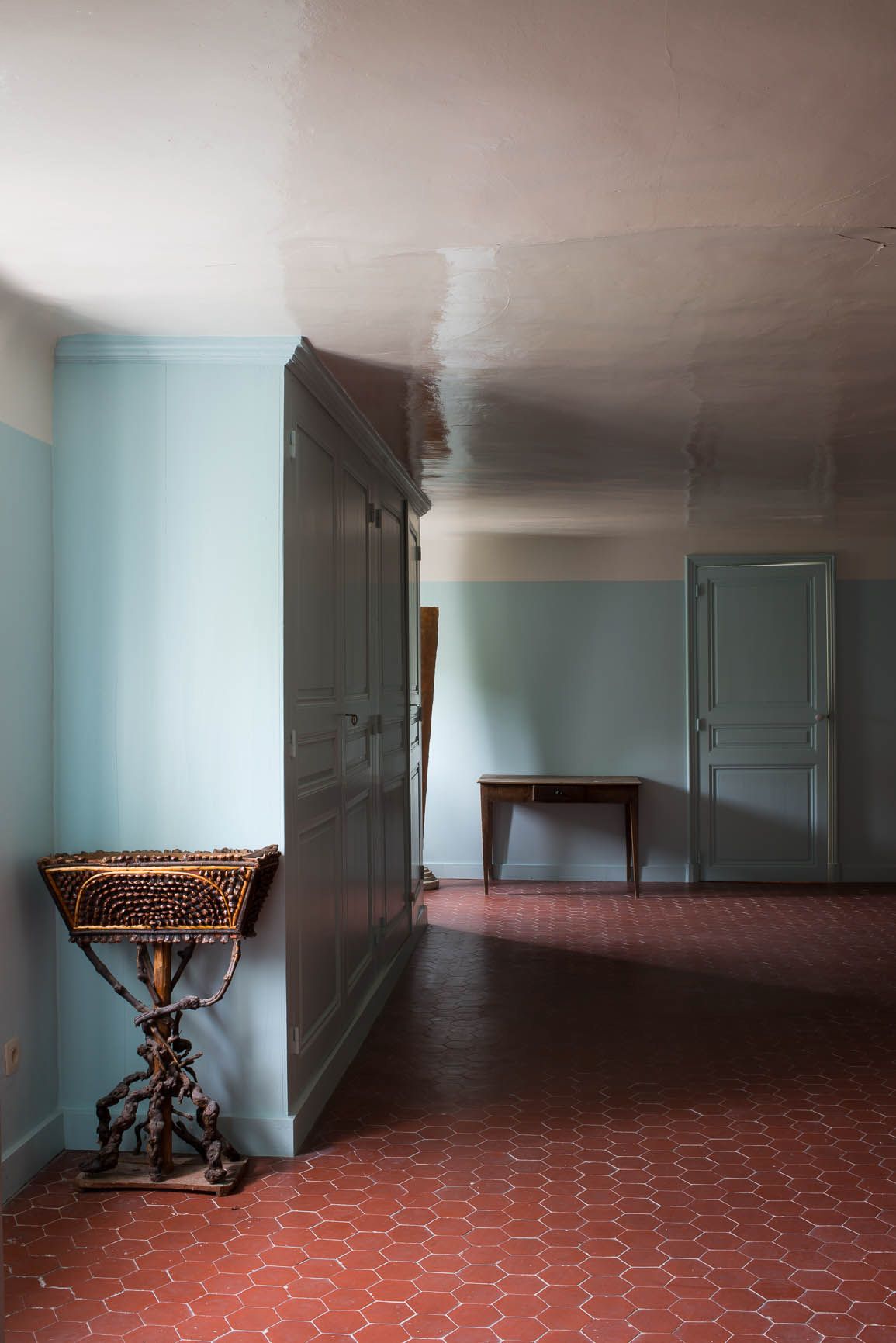
That De Grande had chosen a place where he would be able to relax was, at least, no surprise. The house was a far cry from the blinding spotlights of television studios, and its elegant, understated architecture was the perfect backdrop for a carefully selected variety of furniture and decorative objects. That he would not entirely renounce his passion for antiques was also to be expected, and that is why eye-catchers such as a richly carved wooden panel with masonic symbols, the panelling of a 19th-century Neo-Gothic library – which takes up the entire back wall of the living room – and a large number of 18th-century chairs undertook the journey south from Bruges.
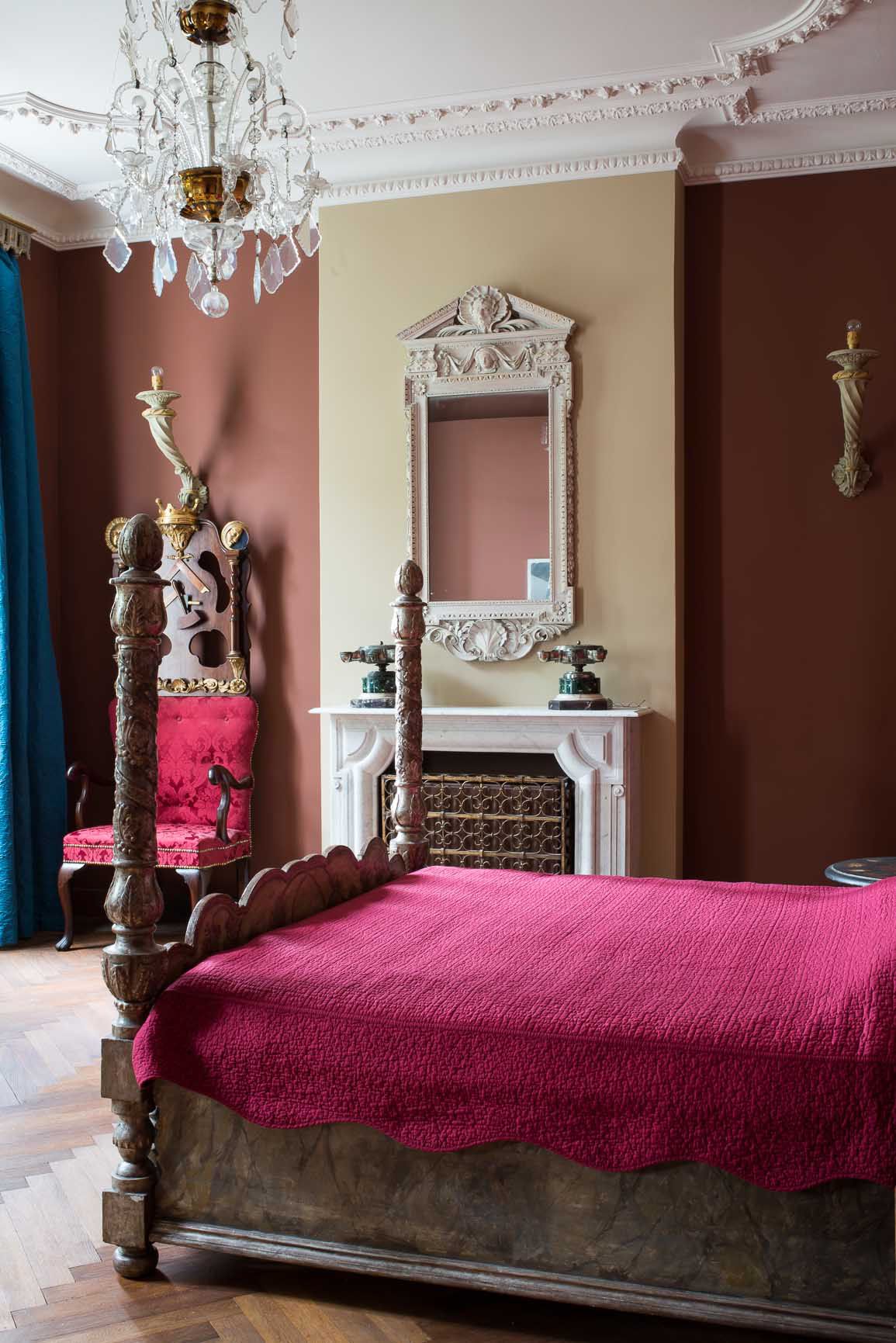
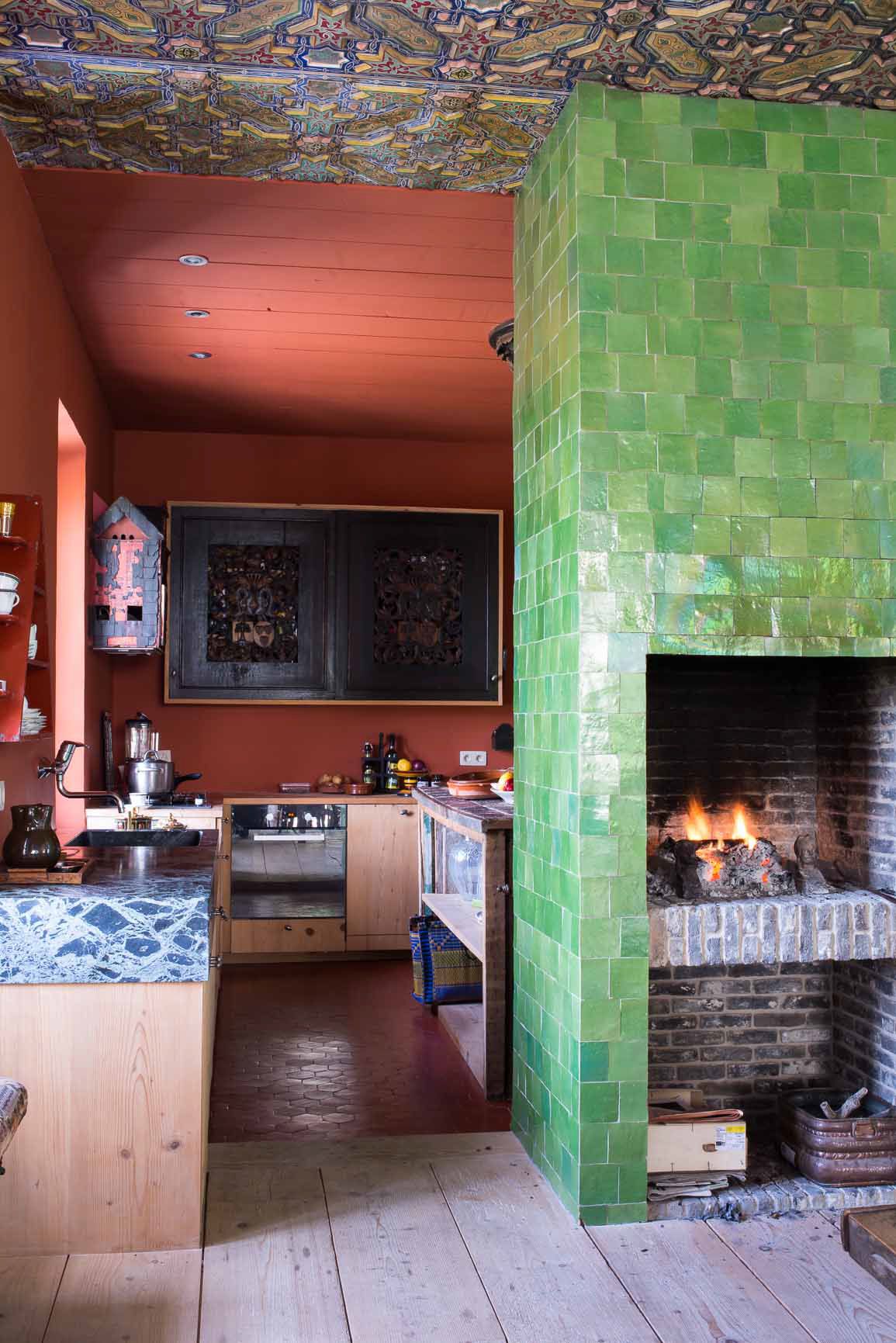
One of the most striking additions in the house is the fireplace in the kitchen, featuring a wall clad in green glazed tiles – reminiscent of a Swedish stove – that doubles as a grill. It is one of several bright spots of colour that contrast with the otherwise white walls, alongside a fiery red paint chosen for the master bedroom and adjoining bathroom. On the upper floor there was enough room under the beams for a billiard table and a few guest rooms and despite the fact that the house is located in the South of France, and the owner has an unmistakably French name, one clearly recognises the signature style of the Flanders-born and -bred antique dealer who has found the perfect spot to retire from ‘the smell of the grease paint and the roar of the crowd’…
Sign up for our bi-weekly newsletter, and be the first to receive exclusive stories like this one, direct to your inbox
For more about Paul De Grande, visit Instagram @degrandeantiques


